Handling That Stays Predictable and Controlled
Steering & Suspension in Inman for vehicles drifting between lanes, bottoming out over bumps, or showing uneven tire wear
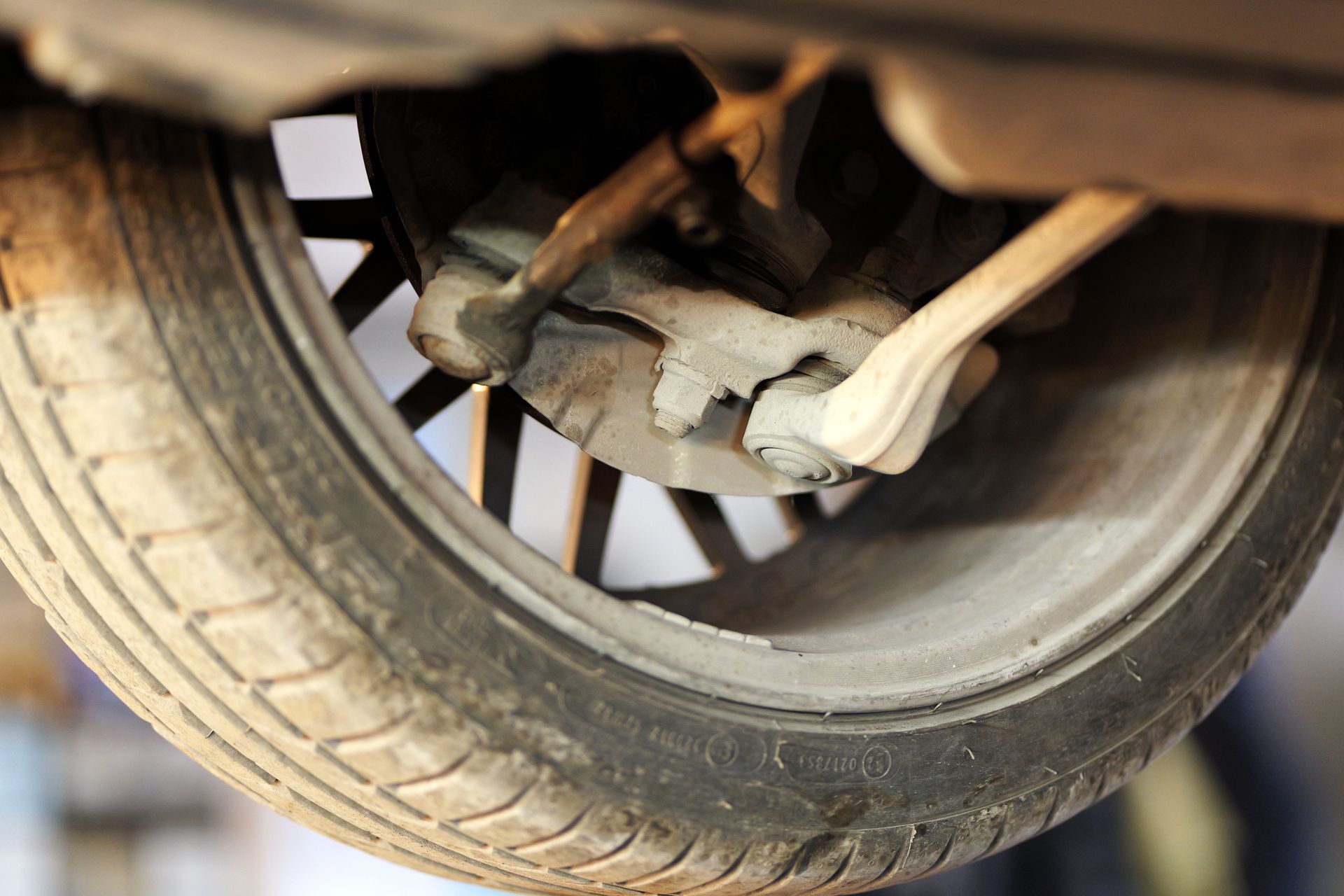
Steering wander develops gradually as tie rod ends wear and allow slack in the linkage, making it difficult to maintain lane position without constant correction. Your vehicle may drift toward the road edge or require more steering input to navigate turns that once felt responsive and direct. Skinner Tire addresses steering and suspension component wear in Inman, replacing ball joints, control arm bushings, shocks, and struts that deteriorate from road impact and age-related rubber breakdown. The work restores the tight, controlled handling you expect without the clunking sounds or rough ride quality that signal failed suspension components.
The inspection process involves checking for play in steering components by physically manipulating tie rods and ball joints while the vehicle is lifted, measuring shock absorber damping by bounce testing each corner, and examining suspension bushings for cracking or separation. Roads around Spartanburg and Boiling Springs include sections with potholes and uneven pavement that accelerate wear on suspension mounts and shock absorbers, causing the vehicle to bounce excessively after hitting bumps rather than settling immediately into stable ride height.
Request a suspension inspection if your vehicle feels loose during lane changes or if you notice tire wear concentrated on one edge of the tread..
How Suspension Components Affect Vehicle Control
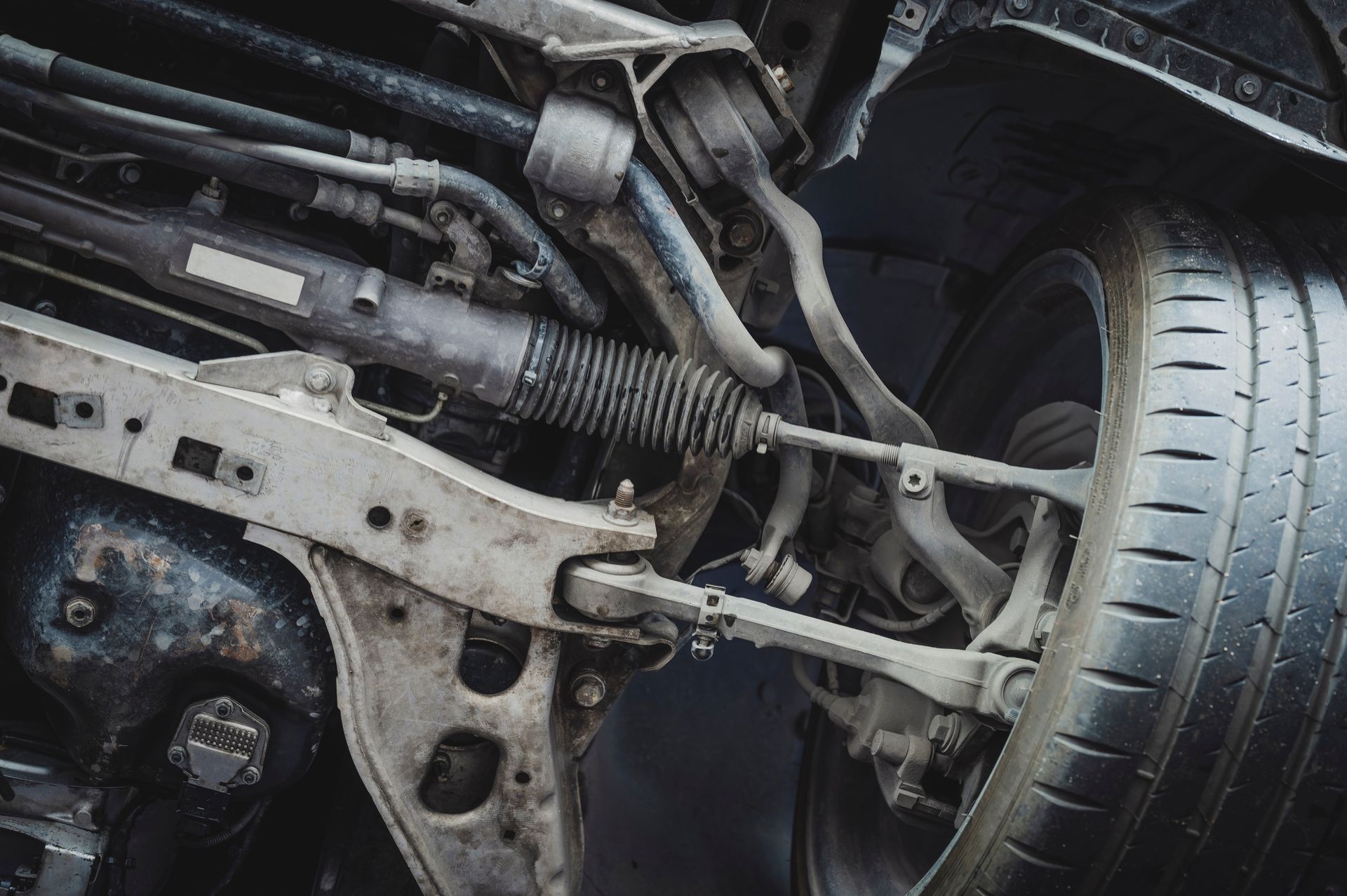
Suspension systems use springs to support vehicle weight and shock absorbers to control the oscillation that occurs when springs compress and rebound over road irregularities. Control arms connect the wheels to the chassis through ball joints and bushings that allow vertical movement while maintaining alignment angles, and tie rods transfer steering input from the rack or gearbox to the wheel assemblies. When any component develops excessive play or loses damping capability, the vehicle's geometry shifts during acceleration, braking, and cornering, causing unpredictable handling and accelerated tire wear on the inner or outer tread edges.
After suspension repair, you'll notice the vehicle tracks straight without pulling to either side, and steering response becomes immediate rather than delayed by slack in worn linkage. The ride quality improves with controlled damping that absorbs impacts without the harsh jarring of worn shocks or the floating sensation of failed struts that allow excessive body movement. Skinner Tire performs alignment after suspension component replacement to set camber, caster, and toe angles within factory specifications, which prevents the uneven tire wear that happens when geometry falls outside acceptable ranges.
Suspension maintenance includes inspecting CV axle boots for tears that allow grease to escape and contamination to enter, checking sway bar links for worn bushings that cause clunking over bumps, and verifying that steering rack boots remain intact to prevent dirt intrusion. Failed components often produce symptoms that overlap, making diagnosis important before replacing parts that may not address the root cause of handling problems or unusual tire wear patterns.
What Property Owners Usually Ask
Steering and suspension concerns often relate to ride quality changes and handling behavior that develops over time.
What causes a vehicle to pull to one side?
Pulling typically results from uneven tire pressure, misaligned suspension angles, or a sticking brake caliper, with alignment being the most common cause after hitting curbs or potholes.
How do I know if shocks need replacement?
Failed shocks allow excessive bouncing after hitting bumps, cause the vehicle to nose-dive during braking, and produce worn spots on tires from inadequate damping that allows wheel hop.
Why does the steering wheel vibrate at highway speeds?
Vibration usually indicates wheel balance issues or worn suspension components that allow wheel assemblies to oscillate, though it can also result from separated tire belts or bent wheels.
When should ball joints be replaced?
Ball joints require replacement when physical inspection reveals play in the socket, when the boot tears and allows grease loss, or when clunking sounds develop during turns and over bumps.
What's the difference between alignment and balancing?
Alignment adjusts suspension angles to keep tires tracking straight and wearing evenly, while balancing corrects weight distribution around the wheel and tire assembly to prevent vibration at speed.
Skinner Tire diagnoses steering and suspension issues through physical inspection and test drive evaluation, then addresses the specific components causing handling problems or unusual wear. Schedule a steering system check if you're noticing any changes in how your vehicle responds or rides.