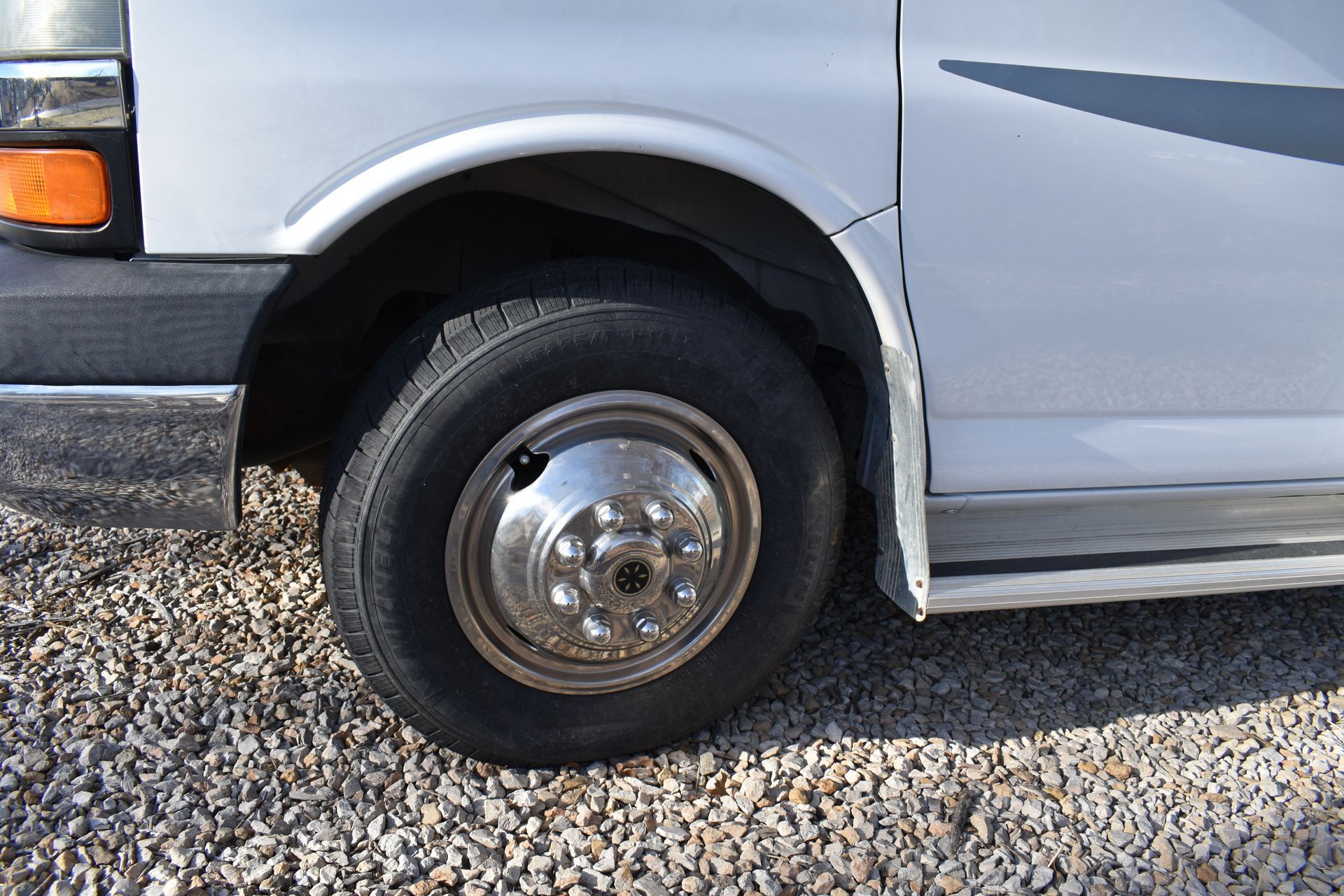
Tires That Handle Extended Travel Weight
RV / Motorhome Tire Service in Inman for vehicles experiencing sidewall cracking, uneven wear, or age-related deterioration
Sidewall cracking appears on RV tires long before tread wear becomes noticeable, especially on motorhomes stored outdoors between trips or used seasonally rather than year-round. Skinner Tire addresses the tire failure patterns specific to recreational vehicles in Inman, where motorhomes and travel trailers often sit parked for months while carrying full propane tanks, water systems, and built-in appliances that add thousands of pounds beyond the base vehicle weight. RV tires require load range ratings that account for this constant weight and the stress of infrequent movement that causes flat spots and rubber hardening.
The service involves inspecting for weather checking along the sidewalls, verifying that current tires meet the motorhome's gross vehicle weight rating with adequate margin for full tanks and cargo, and checking manufacturing date codes since RV tires age out faster than they wear out. Upstate South Carolina's humidity and temperature swings accelerate the oxidation process that weakens tire structure, making age a more critical factor than mileage for RVs that travel only during vacation seasons or weekend trips.
Arrange an inspection to assess tire age and load capacity before your next extended trip or seasonal travel period.

Why RV Tire Construction Differs From Automotive
RV tires use higher ply ratings and reinforced casings designed to support sustained weight without the heat buildup that causes belt separation on long highway drives. Load range E or F tires are common for Class A motorhomes, while travel trailers typically require ST-rated trailer tires with stiffer sidewalls that prevent sway under towing forces. The construction differences matter because using passenger car tires or light truck tires rated for lower loads leads to catastrophic failure when the tire overheats from excessive flexing under weight it wasn't designed to carry.
Once replacement is complete, you'll notice improved handling stability and reduced body roll during lane changes, since properly rated RV tires maintain their shape under load rather than bulging at the sidewalls. The steering response becomes more predictable, and you won't feel the wandering or pulling that happens when one tire runs lower pressure than the others or when load capacity is marginal for the vehicle's actual weight.
RV tire maintenance also requires monitoring for uneven wear patterns that indicate alignment issues, overloading on one side, or suspension problems that place disproportionate weight on specific tires. Tire pressure monitoring systems help catch slow leaks before they cause damage, but visual inspection remains necessary to identify sidewall bulges, tread separation, or weather cracking that sensors won't detect. Replacement intervals depend more on calendar age than tread depth, with most RV tires requiring replacement every five to seven years regardless of miles driven.
Common Questions About This Service
RV owners in Inman face decisions about tire replacement timing, load capacity verification, and maintenance between trips.
How do I know if my RV tires are too old?
Check the DOT date code on the tire sidewall, which shows the week and year of manufacture in a four-digit format, and replace tires older than six years even if tread depth looks adequate.
What causes RV tires to crack on the sidewalls?
UV exposure, ozone from electrical equipment, and long periods of sitting in one position allow oxygen to break down rubber compounds, creating the small cracks that eventually penetrate deep enough to cause structural failure.
Why do RV tires need higher pressure than car tires?
Higher inflation pressure is required to support the greater weight of RVs without excessive flexing that generates heat and accelerates wear, with specific pressure determined by the tire's load range and the actual weight on each axle.
When should I replace RV tires based on tread?
Replace when tread depth reaches 4/32 inch or when uneven wear patterns appear, but calendar age often triggers replacement before tread wear becomes the limiting factor for recreational vehicles.
What load range do motorhomes typically require?
Class A motorhomes typically need load range E, F, or G tires depending on gross vehicle weight rating, while smaller Class C motorhomes and travel trailers may use load range D or E based on axle weight specifications.
Skinner Tire verifies load ratings against your RV's actual weight distribution and replaces tires showing age-related deterioration before travel season begins. Schedule a pre-trip tire assessment to address any concerns about capacity or condition.