Stopping Power That Responds Immediately
Brake Service in Inman for vehicles with reduced stopping power, vibration during braking, or warning light activation
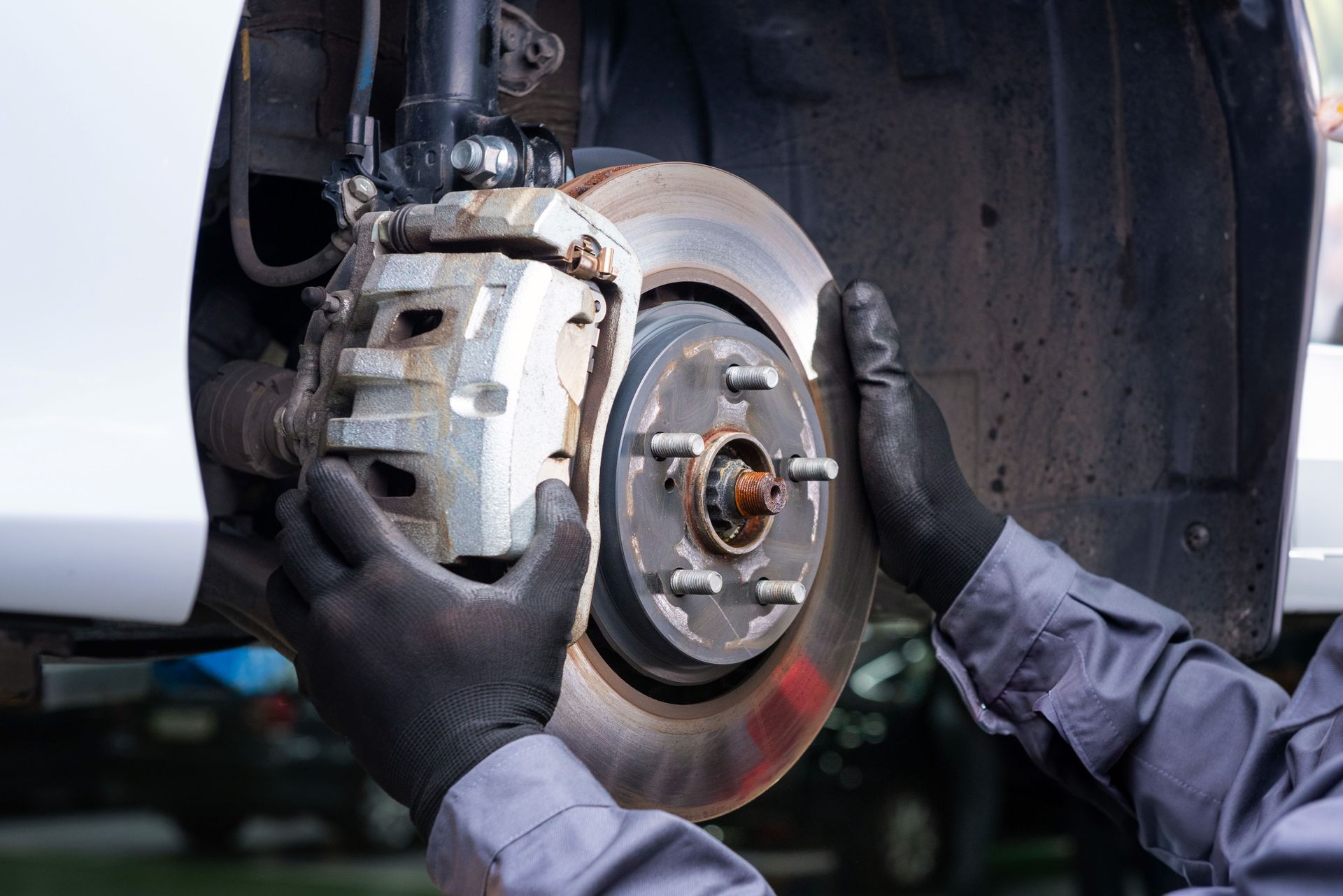
Brake pedal travel increases gradually as pads wear down, and you may not notice the change until you need to press significantly farther to achieve the same stopping force you once felt immediately. Skinner Tire provides brake service in Inman, addressing worn pads, resurfacing rotors when thickness allows, and inspecting hydraulic components for leaks or pressure loss that compromise braking performance. The service restores pedal feel and stopping distance before wear reaches the backing plate or causes rotor damage that requires full disc replacement instead of resurfacing.
Brake service involves measuring remaining pad thickness, checking rotor surface condition for scoring or heat spots, and testing caliper operation to verify even pad contact across the rotor face. Upstate South Carolina's mix of highway driving and stop-and-go traffic through Spartanburg creates uneven wear patterns, with front brakes typically wearing faster due to weight transfer during deceleration. The work includes bleeding hydraulic lines if air has entered the system or if brake fluid shows contamination from moisture absorption that lowers its boiling point and causes spongy pedal feel.
Schedule a brake inspection if you notice increased pedal travel, pulsing during stops, or grinding sounds that indicate metal-on-metal contact.
What Changes After Brake Component Replacement
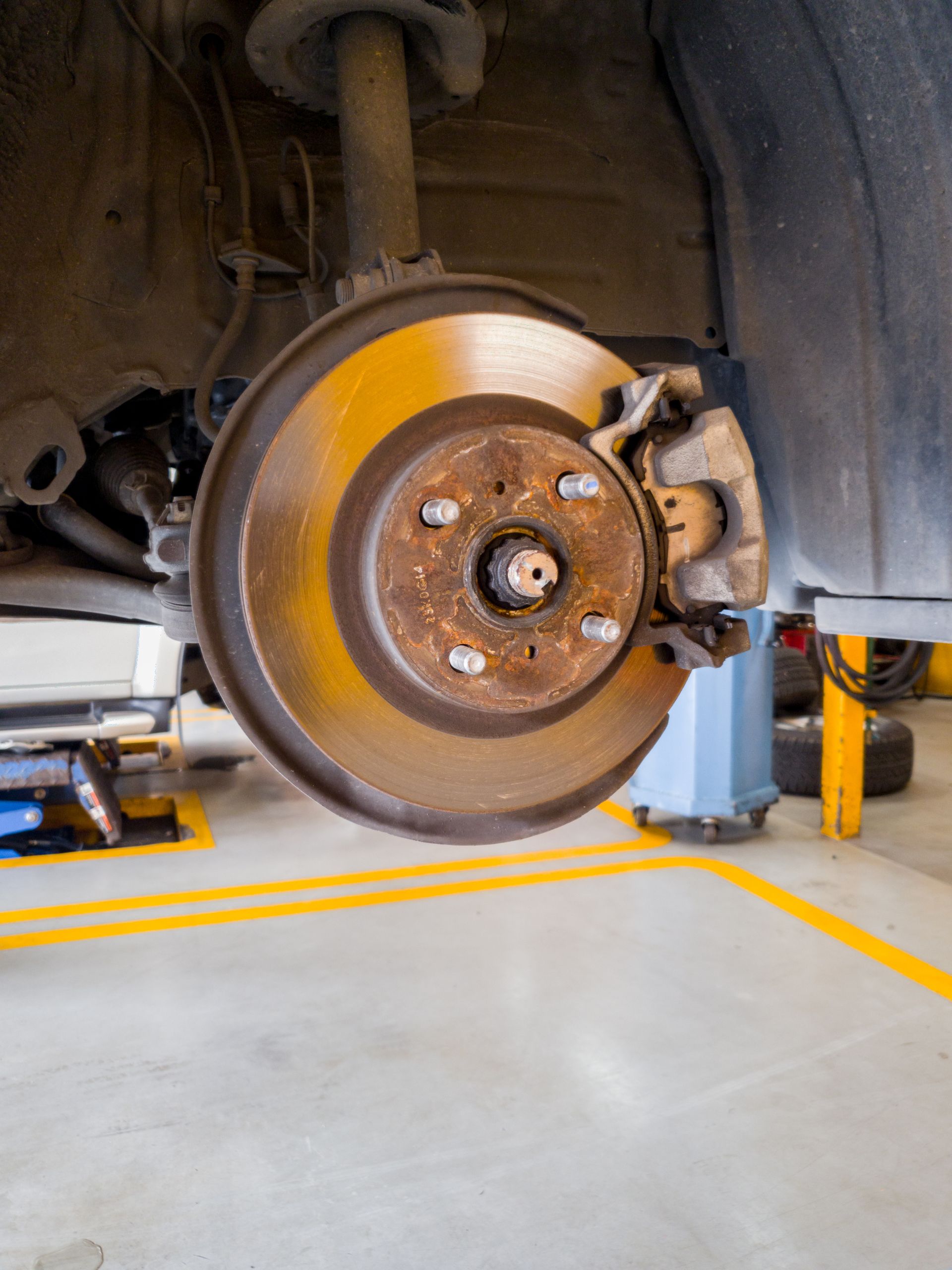
Brake pad replacement involves installing friction material matched to your driving patterns, whether that means ceramic compounds for quiet operation and low dust or semi-metallic pads for better heat dissipation under heavy use. Rotor resurfacing removes the glazed layer and minor scoring that causes vibration, restoring a smooth contact surface for even pad wear and consistent stopping力. When rotors fall below minimum thickness specifications, replacement becomes necessary to maintain structural integrity under the heat and pressure generated during repeated stops.
After brake service, you'll notice firm pedal feel that engages at a consistent height rather than sinking toward the floor, and stopping distances return to the vehicle's original specifications without pulling to one side or vibrating through the steering wheel. The brakes respond immediately to pedal pressure without the delay or mushiness that happens when air contaminates hydraulic lines or when fluid degrades from moisture absorption. Skinner Tire adjusts parking brake tension after rear brake service to maintain holding力 on inclines without cable stretch or insufficient pad contact.
Brake maintenance also includes inspecting brake hoses for cracks or bulging that indicates internal deterioration, checking proportioning valve function on vehicles with separate front and rear hydraulic circuits, and verifying that caliper slide pins move freely to allow even pad wear. Warning lights trigger when sensors detect pad wear reaching minimum thickness, but waiting until the light activates often means rotors have sustained damage from delayed replacement. Regular inspection every 10,000 miles helps catch wear before it progresses to more expensive repairs.
Answers to Frequent Service Questions
Brake wear rates vary based on driving habits, and understanding what accelerates component degradation helps with maintenance planning.
What causes brake rotors to warp?
Repeated heat cycling from hard stops followed by cooling, combined with uneven torque on lug nuts during wheel installation, causes rotors to develop thickness variations that produce pulsing vibration during braking.
How long do brake pads typically last?
Pad life varies from 25,000 to 70,000 miles depending on driving conditions, with stop-and-go traffic and mountainous terrain accelerating wear compared to highway driving with gradual deceleration.
Why do brakes squeal after replacement?
New pads require a break-in period to transfer friction material onto the rotor surface, and squealing during this time is normal unless it persists beyond the first few hundred miles of driving.
When should brake fluid be replaced?
Brake fluid absorbs moisture over time, lowering its boiling point and causing vapor formation under heavy braking, so replacement every two to three years maintains hydraulic performance regardless of mileage.
What does it mean when the pedal sinks slowly?
A slowly sinking pedal indicates a leak in the hydraulic system or a failing master cylinder that allows pressure to escape, requiring immediate inspection before brake failure occurs.
Skinner Tire measures brake component condition during routine service and recommends replacement based on actual wear rather than arbitrary intervals. Request a brake system evaluation if you're experiencing any changes in pedal feel or stopping performance.